


01923 661 614

07941 282 325
07976 318 160








Chimney Sweep Bushey
At Ansell Chimneys, we know how important it is for you to keep your chimney in tip top working order. It's not just a case of good housekeeping, it could save lives! So don't risk letting your chimney get clogged up and dangerous, call the professionals in today!
Our services include:
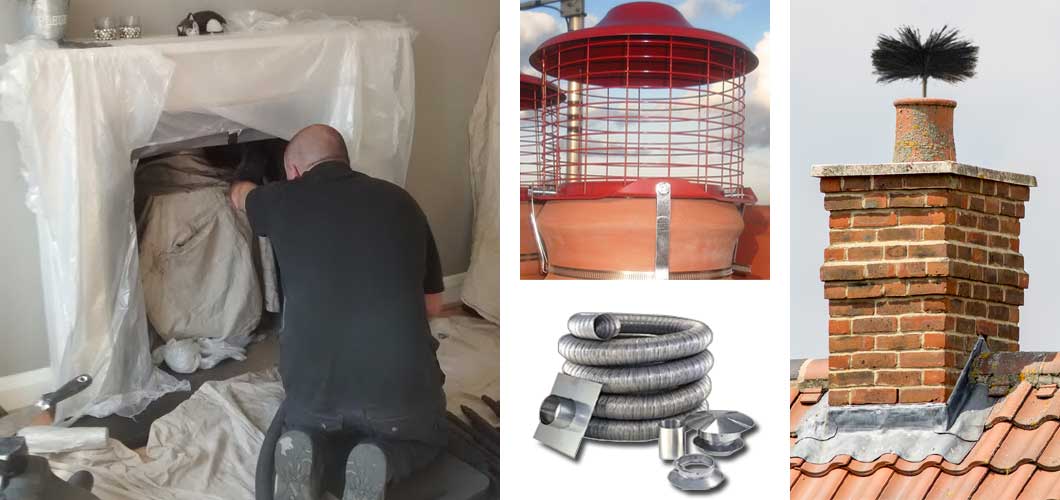
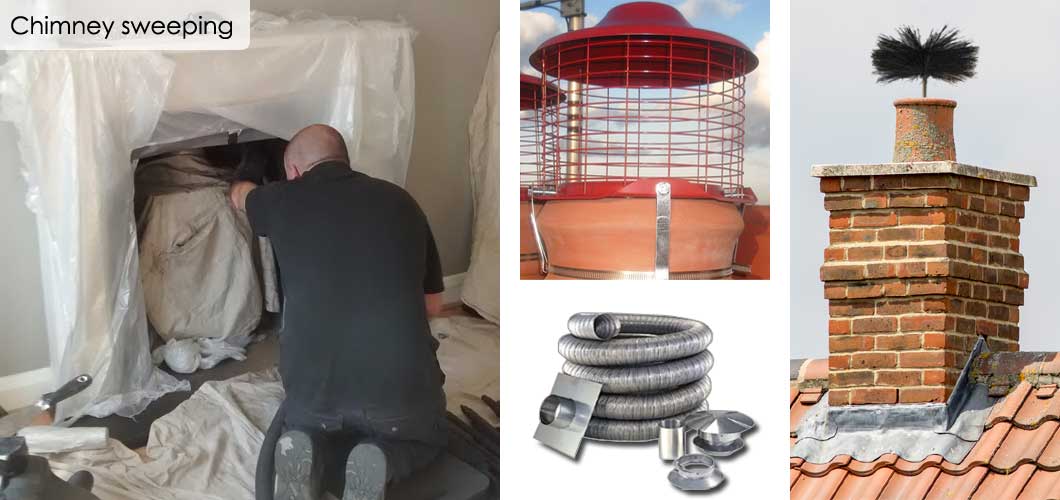
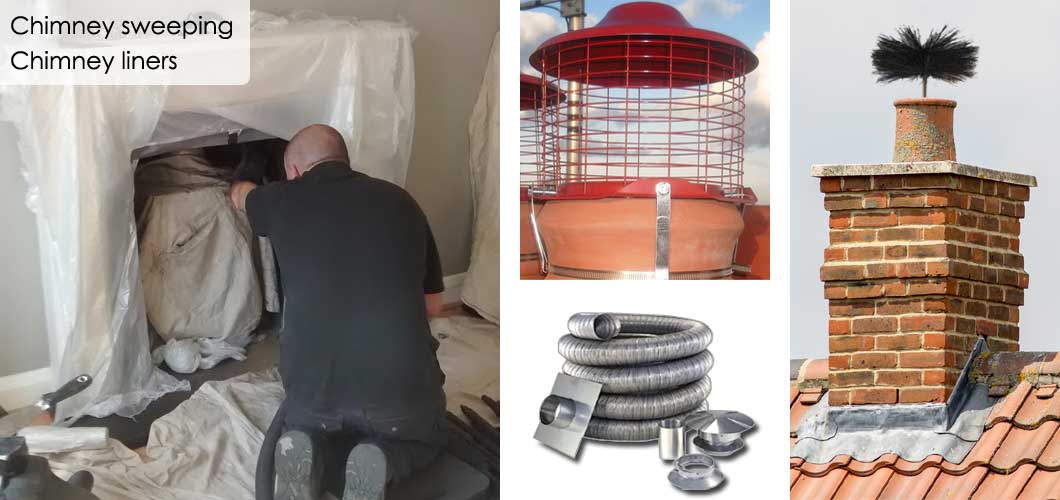
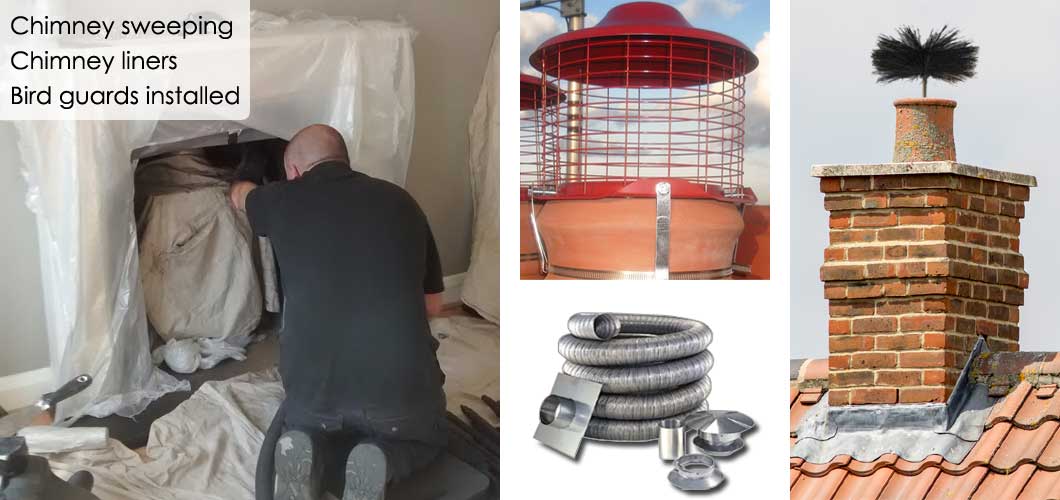
- Chimney Sweeping
- Installation of chimney liners
- Chimney Pots, Bird guards and Cowls
- Camera surveys
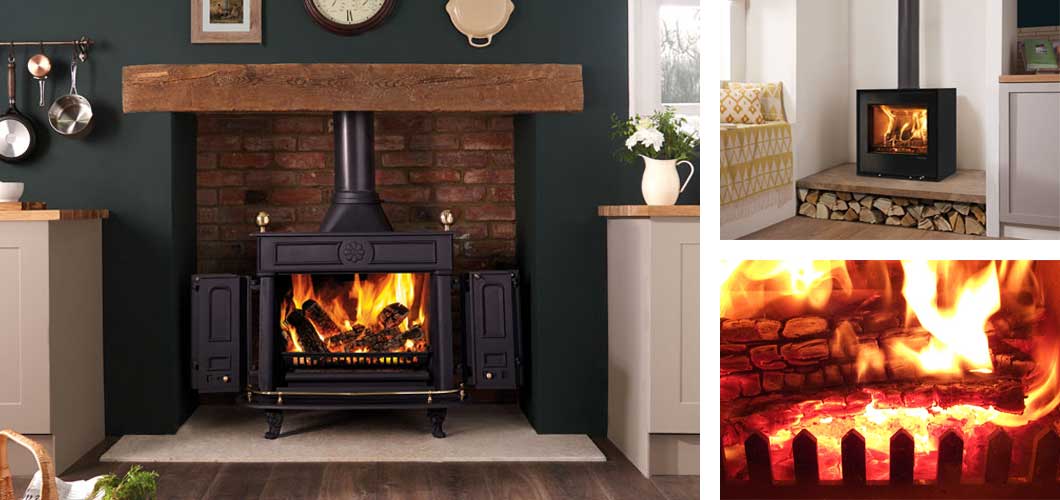
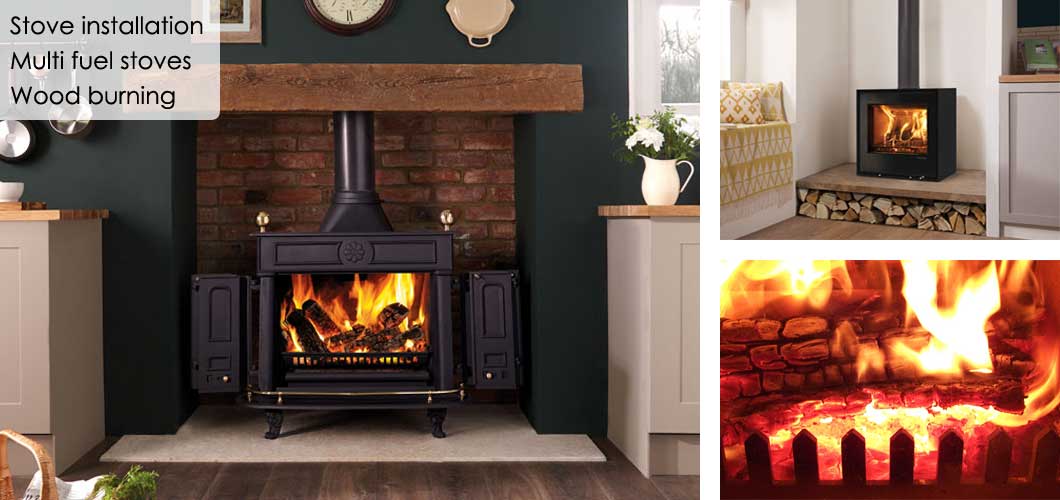
- Fitting wood burning and multi-fuel stoves
- Stove and fireplace servicing and repairs
- Chimney Smoke and integrity testing to BS5440
All installations carried out by
Qualified HETAS Registered Fitters.

Why not call Ansell Chimneys now for a free quote
If you would like to know more or are interested in a quote we would be happy to help. Phone us on 01923 661 614, email us at info@ansellchimneys.co.uk or fill in our enquiry form and we will be in touch as soon as possible.
Ansell Chimneys for service you can trust
Whether we have a gas, open fire, multi fuel or wood burning stove in our homes, we will all need to engage the services of a chimney sweep from time to time. Now clearly there will always be some people who take the do it yourself approach to everything in their lives, but for most, the lack of time, the requisite knowledge and the lack of correct tools mean that a professional chimney sweep will be engaged for the job.
From a simple health and safety perspective, getting a professional chimney sweep to clean out your chimney makes good sense. They are after all, the experts in their field, and to attempt a job that could result in a chimney fire or carbon monoxide poisoning, if the job is not completed properly, just isn't worth the hassle.
Our Bushey chimney sweep delivers peace of mind
The majority of us will clean our own ovens, descale our own kettles and maybe even have a crack at unblocking a slow to empty drain, so why shouldn't you sweep your own chimney?
The simple answer is that a professional chimney sweep brings you peace of mind. The dangers of not getting the job done properly are that you could end up with a very frightening chimney fire, or at worst, the build-up of carbon monoxide in your living space, due to a blocked flue, could result in death.
The thing is, whenever we burn anything, a residue is left behind. The residue from wood burning, particularly with a higher-than-normal moisture content is creosote. This is flammable and should it be allowed to accumulate in your chimney flue, there is a fair chance that it could combust and a chimney fire is not just frightening, it could literally destroy your home.
Bushey properties with open fires and stoves
In keeping with many other properties in the Hertfordshire area, Bushey boasts many period properties and others that have gone back to making use of their chimneys after many years of relying on gas centrally heated radiators.
The main driving force behind the change to open fires and solid fuel stoves in Bushey is no different to anywhere else in the country. The cost of gas is going up at a frightening rate and is set to rise further, prompting residents of Bushey and the surrounding area to seek out cheaper alternatives to heating their homes.
Another reason cited for the switch to a more traditional form of heating, is the desire to enjoy the warmth and look of a bygone age, often referred to as having that 'cottage chic' look. Whatever the reason, you will be glad to know that we have a professional chimney sweep who regularly services properties in the Bushey area of Hertfordshire.
A little Bushey history
The first written record of modern-day Bushey is an account in the Domesday Book, which describes a rather small agricultural village named Bissei, which later became Bisshe and then Bisheye during the 12th century. However, chance archaeological findings of Stone Age tools provide evidence that the area was inhabited as far back as the Palaeolithic period.
Bushey also has links to the Roman occupation of Britain, with the main road running through it being manufactured by the Romans. There are also sites of possible Roman villas being unearthed in the Bushey area; and a Roman built pavement was discovered near Chiltern Avenue in the town.
The origin of the town's name is not fully understood. In terms of the original name, Bissei, an early theory is that it may have meant Byssa's Isle, and it started life as a village that was surrounded by marshes, streams and lakes. A more modern theory is that it is simply derived from the Old English word bysce, meaning a bush or a thicket and Old French boisseie, meaning a place covered with wood. Considering that Bushey is located in the valleys which extend southwards from the Chiltern Hills, which were once covered in dense forests, the latter theory may be more accurate.
Napoleonic wars and Bushey
Bushey Heath's story begins in the Napoleonic Wars during a large food shortage. To help solve the problem, the government awarded the waste land to the east of Bushey to landowners to be used for farming; the land was more generally known as Bushey Common.
Although the original purpose of the town was to produce food, because it is now very close to a railway line and about five hundred feet above sea level with lovely views made the town of Bushey very attractive for housing development. Because the area has such a high elevation, the risk of flooding is minimised, therefore, making it an attractive proposition to house buyers too.
A time for change in Bushey
The nineteenth and twentieth centuries marked the time of most change for the town of Bushey, especially between 1860 and 1960. The population rose twenty-eight-fold within just two hundred years, from 856 in 1801, to just under 24,000 today. The expansion was for many reasons, one of the main ones being due to the increase in industry caused by the railway in the early twentieth century. A result was that many new jobs were created in and around the Watford area, and in the early 1920s, Bushey had its first council houses built. More housing was later built for the service families working in defence organisations in Stanmore and Northwood. The expansion eventually died down because much of the land in and around Bushey was protected under the Metropolitan Green Belt following the Second World War.
Bushey and the railway
The very same Green Belt legislation was also partly responsible for the shelving of plans for the pre-war Edgware to Bushey Heath extension as part of the Northern Heights programme of the Northern line underground railway. The Metropolitan Green Belt put massive restrictions on new development, and the plan was to use the new railway to stimulate new housing around the new route; without the new housing the route was seen as no longer viable. However, as work was advanced at the onset of war, the depot was completed for use as bomber manufacture, and following the Second World War and Green Belt coming into force, it was converted into the Aldenham bus depot which it remained until the middle of the nineteen eighties, when it became derelict. It was redeveloped just over a decade later and is now the Centennial Park Industrial Estate. Bushey Heath station would have been located at the intersection of Elstree Road and North-western Avenue. Conceptual plans existed in the 1903 Act of Parliament for an Edgware to Watford railway that would have seen the railway extended at a later date though Bushey village and on to Watford market, but this never came to fruition either.
Highwaymen in the Bushey area
The lack of farming in Bushey Heath meant that it was a very heavily wooded area up to the eighteenth century. To compound this, a serious lack of street lighting and very few police officers, meant that Bushey Heath became a favoured haunt of thieves, highwaymen and even the scene of a murder. Apparently, the road from Bushey Heath to Stanmore was where highwaymen would lay in wait for unsuspecting victims to pass by. They would pounce on the many carriages that passed through Bushey Heath on a daily basis, carrying money from their occupant's business in London. Before attempting to navigate this high-risk area, many of the travellers and merchants would gather at the Boot Inn at Edgware and the Three Crowns public house at Bushey Heath so they did not have to travel through the area alone. Although one of the highwaymen responsible for the attacks is rumoured to have been the world-famous Dick Turpin, it is more likely that he was more active in Essex at the time. Bushey legend is not alone in claiming that Dick Turpin rode and stalked the highways and byways. Virtually anywhere in the country wanted to have a slice of the Dick Turpin pie when a highwayman struck, such was his infamy.
A professional chimney sweep for your Bushey home
So, if you happen to live in the Bushey area and require a chimney sweep, why not get in touch?
We can even set up a regular schedule to ensure you are never left in the cold because you forgot to call a sweep in time for the colder days. We deliver on our promise to sweep clean, keeping your home clean and safe, and all at a very competitive price.
A chimney sweep in Bushey
Ensure you are ready for the colder months by making an advanced appointment with a chimney sweep who can visit your Bushey home. There is nothing worse than sitting shivering because your chimney is blocked or the fire isn't working properly as a result. Not only is this inconvenient, it could be extremely dangerous too.
A build up of creosote inside the chimney could result in a chimney fire, whereas a blockage in the chimney could cause toxic fumes to circulate around your room, putting the lives of all in jeopardy. A chimney sweep can call on your Bushey property and quickly get your fire up and running again in no time at all.
The history of Bushey
The first written record of the town of Bushey is an account in the Domesday Book, which describes a small agricultural village named 'Bissei' during the 12th century. Since then, archaeological findings of Stone Age tools provide evidence that the area of Bushey was inhabited as far back as the Palaeolithic period. Bushey also has Roman links from the time Britain was occupied. A Roman tessellated, or mosaic pavement was discovered near Chiltern Avenue in Bushey
The origin of the Bushey name is not really known. Some suggest it may have meant 'Byssa's Isle', and that it started out as a lake type village that was surrounded by marshes, streams and lakes. A more modern theory is that it is simply derived from the Old English word bysce and Old French boisseie, meaning a 'place covered with wood'. The latter theory could prove more apt, as the town is located on the border of the Chiltern Valleys, which were once smothered in a very dense forest. Much of the United Kingdom was once covered in woodland or forests, and this only started to diminish when the population began to increase, thus making the need for woodland to be cleared for agriculture and human habitation.
Accounts of Bushey Heath begin during the Napoleonic Wars while there was a serious food shortage. To help solve the problem, the government awarded the waste land to the east of Bushey to wealthy Bushey landowners to be used for farming and this land was more generally known as Bushey Common. The main purpose of this was to produce food from the difficult clay soil.
Modern day Bushey
The 19th and 20th centuries marked the time of most change in Bushey, especially from 1860 to 1960. The population of Bushey rose nearly thirty fold within two centuries, from 856 in 1801, to just fewer than 24,000 today. One of the main reasons for this growth was due to the boom in industry caused by the railway in the early 20th century. A result of this was that many new jobs were created in and around the Watford area, and in the early 1920s; the first council houses were built in Bushey. More housing was later built for the service families working in defence organisations in Stanmore and Northwood. The expansion eventually died down, due to much of the land in and around Bushey being protected under the Metropolitan Green Belt following the Second World War.
Stories, legends and folklore of Bushey
Because there was very little farming in Bushey Heath in years gone by, it meant that Bushey Heath was a heavily wooded area right up until the 18th century. There was also a severe lack of street lighting and police patrolling, this meant that Bushey Heath's history is littered with tales of thieves, highwaymen and even murder. The road from Bushey Heath to Stanmore is reported to be where the highwaymen carried out their crimes. Here they would lay in wait, ready to pounce and rob the dozens of carriages that passed through Bushey Heath on a daily basis from their trade in London. Before travellers and traders would dare to attempt the journey, they would form up at the Boot Inn at Edgware and the Three Crowns at Bushey Heath so they would not have to attempt the journey alone. One of the highwaymen that was claimed to have been responsible for the attacks on this route was the legendary highwayman Dick Turpin, although evidence would suggest that he was in fact more active in and around the county of Essex. Some have claimed that the Wicked Lady was active at this time, but again, there is no evidence of her being involved in these nocturnal criminal activities. Sometimes, the more celebrated names in villainy are attributed to certain crimes, even if they weren't even alive at the time. It should be remembered that many unknown criminals lurked in the Bushey and other areas at this time.
Some Bushey trivia
Local events include the Bushey Festival and quarter marathon. This is held each July, and the Horticultural Society's flower and produce show still draws a good crowd to Bushey.
Being located near several film studios at Elstree and Borehamwood, Bushey and Bushey Heath frequently feature as backdrops for many film and TV shows. Most notable is a bus scene in the Cannon and Ball film, and in the 1957 film Lucky Jim. Several historic buildings in Bushey, notably the old Royal Masonic School for Boys, later the International University, in the Avenue, have been used in films over a long period of time, including Nuns on the Run, Out of Bounds, Children of Men and Harry Potter. It has also been the set for several television comedy series, including Monty Python's Flying Circus and Little Britain. This Bushey site is being redeveloped for residential usage, with the 1960s additions to the site having been demolished.
Many of The Avengers episodes include location shots around the Bushey area, and the latter half of the Confessions of a Driving Instructor is entirely shot on the roads between Elstree and Bushey, finishing in the car dump at 'Bushey Breakers'.
Pupils from local schools including Bushey Hall and Bushey Meads have taken part as extras in productions such as My Dad's the Prime Minister.
So, if you want to be prepared for when the mercury drops in autumn, call on us now. We can make an appointment to call on you at your Bushey property later in the year to ensure you and your fire are ready for a snug, warm winter.
Why not call Ansell Chimneys now for a free quote
If you would like to know more or are interested in a quote we would be happy to help. Phone us on 01923 661 614, email us at info@ansellchimneys.co.uk or fill in our enquiry form and we will be in touch as soon as possible.


Ansell Chimneys
t. 01923 661 614 | m. 07941 282 325 | m. 07976 318 160 | Email us
t. 01923 661 614
m. 07941 282 325
m. 07976 318 160
Email us
Abbots Langley
Barnet
Borehamwood
Bovingdon
Bricket Wood
Bushey
Chorleywood
Croxley Green
Elstree
Harpenden
Hemel Hempstead
Kings Langley
Little Chalfont
Northwood
Pinner
Potters Bar
Radlett
Rickmansworth
Shenley
South Oxhey
Sarratt
Stanmore
St Albans
Tring
Watford
Abbots Langley | Barnet
Borehamwood | Bovingdon
Bricket Wood | Bushey
Chorleywood | Croxley Green
Elstree | Harpenden
Hemel Hempstead | Kings Langley
Little Chalfont | Northwood
Pinner | Potters Bar
Radlett | Rickmansworth
Shenley | South Oxhey
Sarratt | Stanmore
St Albans | Tring
Watford
Abbots Langley | Barnet | Borehamwood | Bovingdon | Bricket Wood
Bushey | Chorleywood | Croxley Green | Elstree | Harpenden
Hemel Hempstead | Kings Langley | Little Chalfont | Northwood | Pinner
Potters Bar | Radlett | Rickmansworth | Shenley | South Oxhey
Sarratt | Stanmore | St Albans | Tring | Watford
Abbots Langley | Barnet | Borehamwood | Bovingdon | Bricket Wood | Bushey
Chorleywood | Croxley Green | Elstree | Harpenden | Hemel Hempstead | Kings Langley
Little Chalfont | Northwood | Pinner | Potters Bar | Radlett | Rickmansworth
Shenley | South Oxhey | Sarratt | Stanmore | St Albans | Tring
Watford